Millions of Floridians care for an elderly parent, a spouse, or a family member with a disability — often without any financial compensation. Others are looking to build a meaningful paid career in caregiving. In both cases, there are real, accessible pathways in Florida to receive payment for the care you provide. Quick answer How […]
California is home to the largest and most comprehensive home care support infrastructure in the United States. The state’s In-Home Supportive Services (IHSS) program alone serves more than 650,000 Californians — making it the largest publicly funded home care program in the country. For family caregivers and independent providers alike, California offers meaningful and accessible […]

he best way to study for the CNA exam is to prepare for both parts of the test: the written or oral knowledge exam and the hands-on clinical skills evaluation. Most candidates fail because they only study definitions or only practice skills. You need both: exam-style question practice and repeated clinical skill walkthroughs using your […]
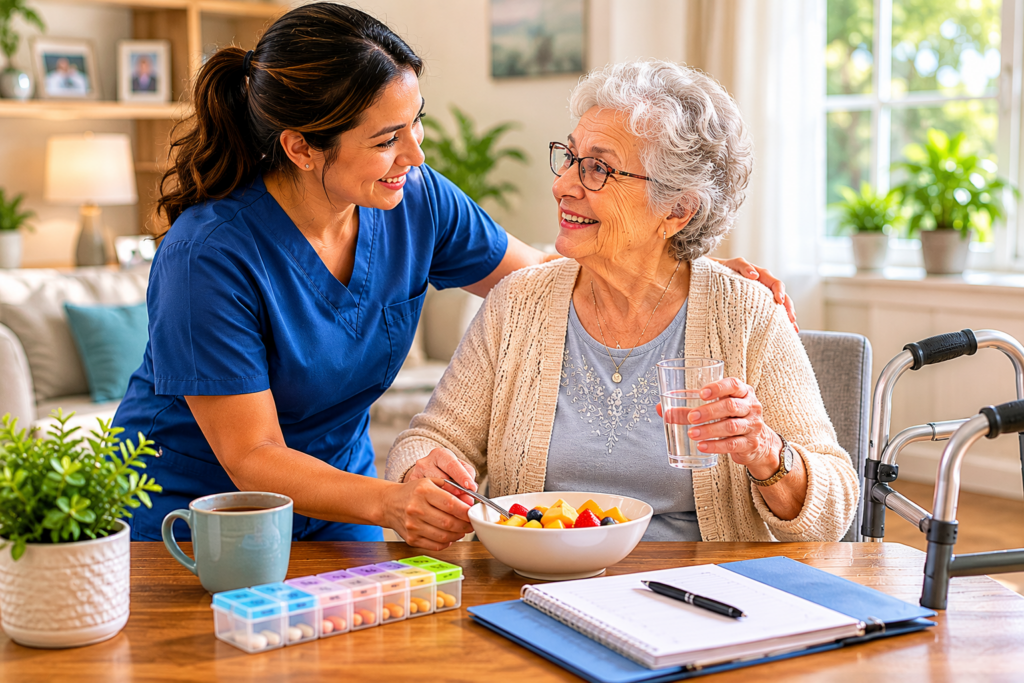
A direct care worker, or DCW, is a frontline care professional who helps older adults, people with disabilities, and individuals with daily support needs live safely and with dignity. DCWs provide hands-on assistance with personal care, mobility, meals, companionship, basic health observation, and daily living tasks. The term direct care worker is an umbrella title. […]
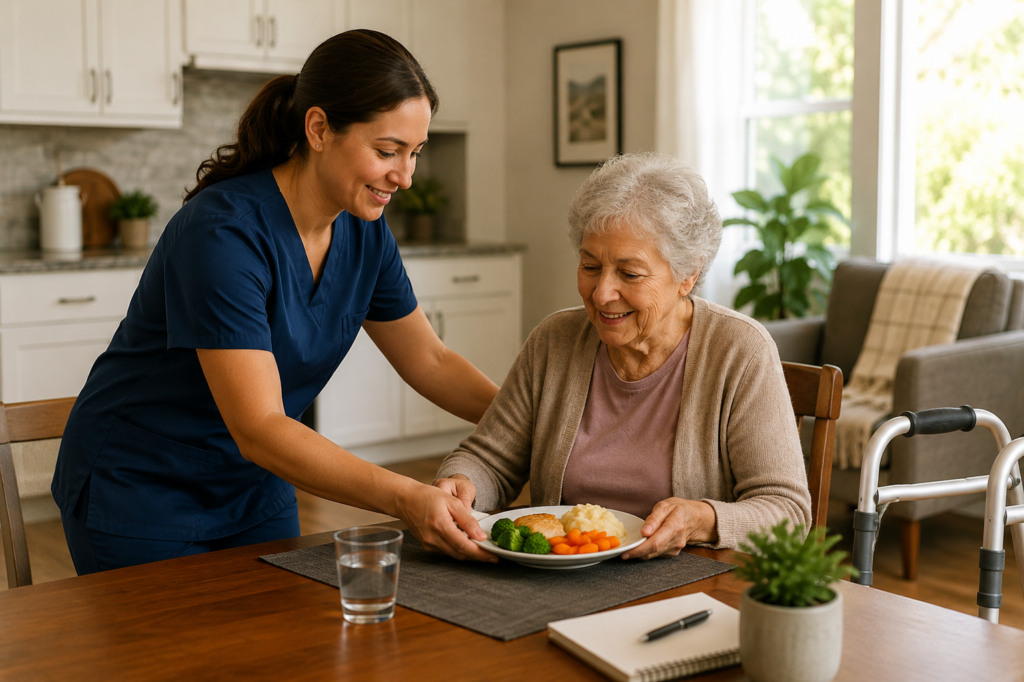
A personal care worker, or PCW, is a non-medical caregiver who helps people with everyday personal care tasks such as bathing, dressing, grooming, meal preparation, mobility support, light housekeeping, and companionship. PCWs commonly support older adults, people with disabilities, and individuals who need help living safely at home or in community-based care settings. PCWs are […]
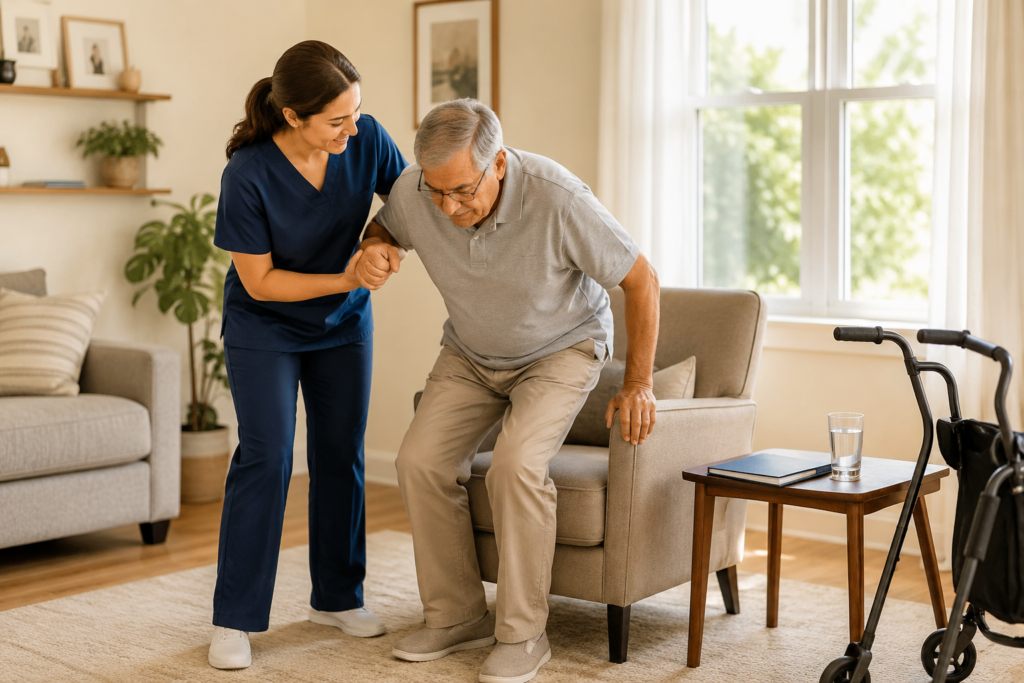
To become a caregiver in the U.S., choose the type of caregiving role you want, check your state’s requirements, complete caregiver training, and apply for entry-level roles with home care agencies, assisted living facilities, or private families. Most beginner caregiver jobs do not require a college degree, but many employers expect some form of training […]
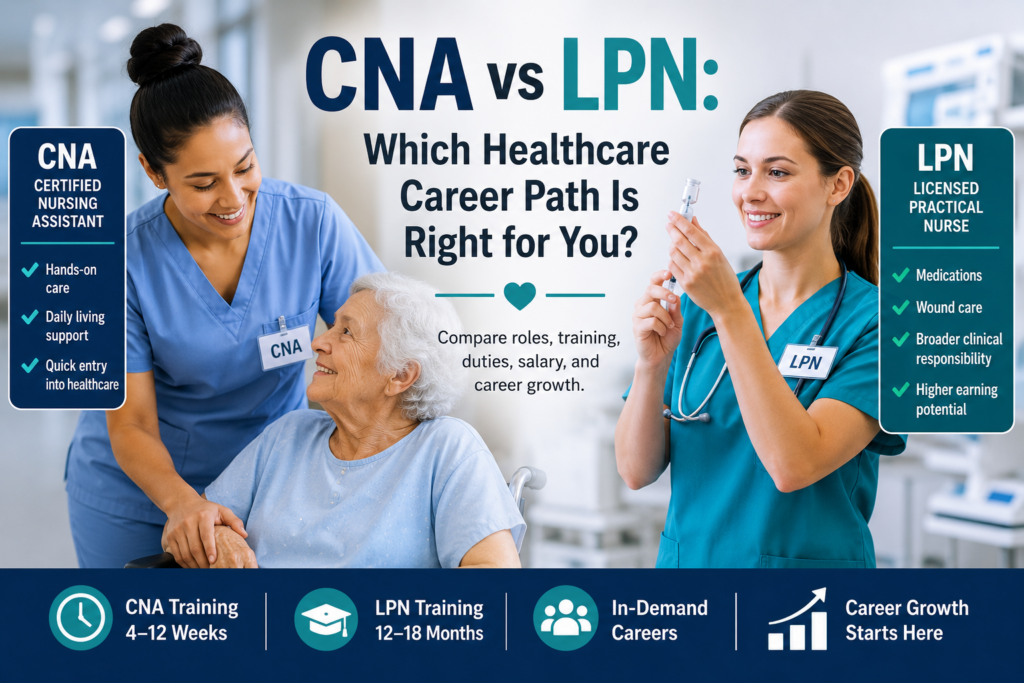
Compare CNA and LPN career paths, including training time, responsibilities, salary potential, licensing requirements, and how to choose the right healthcare role for your goals.
Alzheimer’s disease progresses through distinct stages — and understanding where someone is in that progression is one of the most practical tools a caregiver can have. It helps you anticipate what’s coming, adapt your care approach, and communicate more effectively with healthcare providers and family members. The 7-stage framework described here is based on the […]
Caregiving is one of the most meaningful things a person can do — and one of the most demanding. Whether you care for an elderly parent, a spouse with a chronic illness, or clients as a professional aide, the emotional and physical weight of this work accumulates in ways that aren’t always obvious until you’re […]
Dementia affects more than 55 million people worldwide, and the United States is home to nearly 7 million individuals living with Alzheimer’s disease alone — the most common form of dementia. For home health aides, CNAs, and family caregivers, supporting someone with dementia is one of the most complex and emotionally demanding forms of care […]