

A personal care worker, or PCW, is a non-medical caregiver who helps people with everyday personal care tasks such as bathing, dressing, grooming, meal preparation, mobility support, light housekeeping, and companionship.
PCWs commonly support older adults, people with disabilities, and individuals who need help living safely at home or in community-based care settings.
PCWs are part of the broader direct care workforce, but their role is usually focused on daily living support rather than clinical care. They do not perform nursing procedures, administer medications, or provide medical treatment. Instead, they help clients stay safe, comfortable, clean, fed, socially supported, and as independent as possible.
A personal care worker helps clients with non-medical activities of daily living. These may include personal hygiene, dressing, mobility assistance, meal preparation, laundry, light housekeeping, companionship, and general wellbeing observation.
PCWs may work in:
A PCW is sometimes described as a private caregiver worker, especially when working directly with families or clients outside a traditional agency structure.
PCW stands for personal care worker. The title describes a caregiver who supports personal care needs rather than medical or nursing needs.
The term may be used slightly differently depending on the state, employer, care setting, or training provider. In general, though, a PCW is expected to assist with everyday care tasks that help a person function safely at home or in a supportive living environment.
A personal care worker helps clients complete daily tasks they may no longer be able to manage safely on their own. The exact duties depend on the client’s needs, the care plan, the work setting, and state or employer rules.
Common PCW duties include:
A good PCW does more than complete tasks. The role requires patience, respect, clear communication, safety awareness, and the ability to support a client’s dignity while helping with very personal parts of daily life.
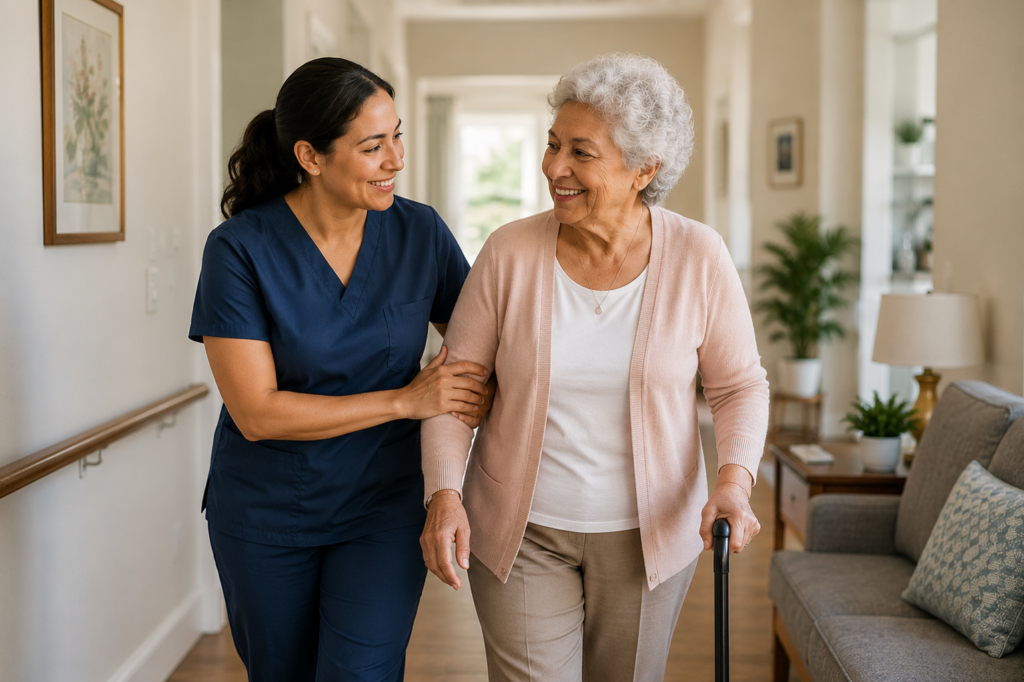
A personal care worker is generally a non-medical caregiver, so the role has clear limits.
PCWs typically do not:
A PCW may be able to offer medication reminders, depending on the setting and rules, but medication administration usually falls outside the PCW scope of practice.
Clients who need clinical support should usually work with a licensed nurse, home health nurse, or another qualified healthcare professional.
A PCW, PCA, and HHA may all help with personal care, but the roles are not always identical. The main differences usually involve training requirements, work setting, supervision, and whether basic health-related support is included.
| Role | Main Focus | Typical Care Type | Medical Tasks? | Common Work Settings |
|---|---|---|---|---|
| PCW | Personal care and daily living support | Non-medical care | No clinical tasks | Private homes, community care, private-pay care |
| PCA | Personal assistance and daily living support | Non-medical care | Usually no clinical tasks | Homes, facilities, consumer-directed care |
| HHA | Personal care plus basic health-related support | Home health support | May include basic monitoring under supervision | Home health agencies, homes, facilities |
A PCW is a type of caregiver, but the terms are not always exactly the same.
“Caregiver” is a broad term. It can describe family caregivers, private caregivers, companion caregivers, personal care aides, home care workers, and direct care workers.
“Personal care worker” is more specific. It usually refers to someone trained or hired to provide hands-on personal care, such as bathing, dressing, grooming, mobility support, and daily living assistance.
So, all PCWs are caregivers, but not all caregivers are PCWs.
A PCW is one type of direct care worker.
Direct care worker, or DCW, is a broader category that can include personal care workers, personal care aides, home health aides, certified nursing assistants, direct support professionals, and other hands-on care roles.
The difference is mainly scope:
In simple terms, PCW is a specific caregiving role. DCW is the larger workforce category.
Personal care workers often work in settings where people need help staying safe, independent, and supported outside of a hospital.
Common PCW work settings include:
Many PCWs work one-on-one with clients. This makes the role highly personal and relationship-based. Families often look for PCWs who are dependable, respectful, calm, and able to build trust over time.
A person may need a PCW when everyday activities become difficult, unsafe, or exhausting without help.
PCWs commonly support:
A PCW can be especially helpful when a person does not need full medical care but does need consistent support with daily life.
PCW requirements vary by state, employer, and care setting. In many private-pay or non-medical companion care situations, a specific state license may not be required. However, training is still important because personal care work involves safety, hygiene, infection control, communication, mobility support, and client dignity.
A structured PCW course can help new caregivers understand:
The safest answer is: check your state rules and the requirements of the employer, agency, or private care arrangement before accepting work.
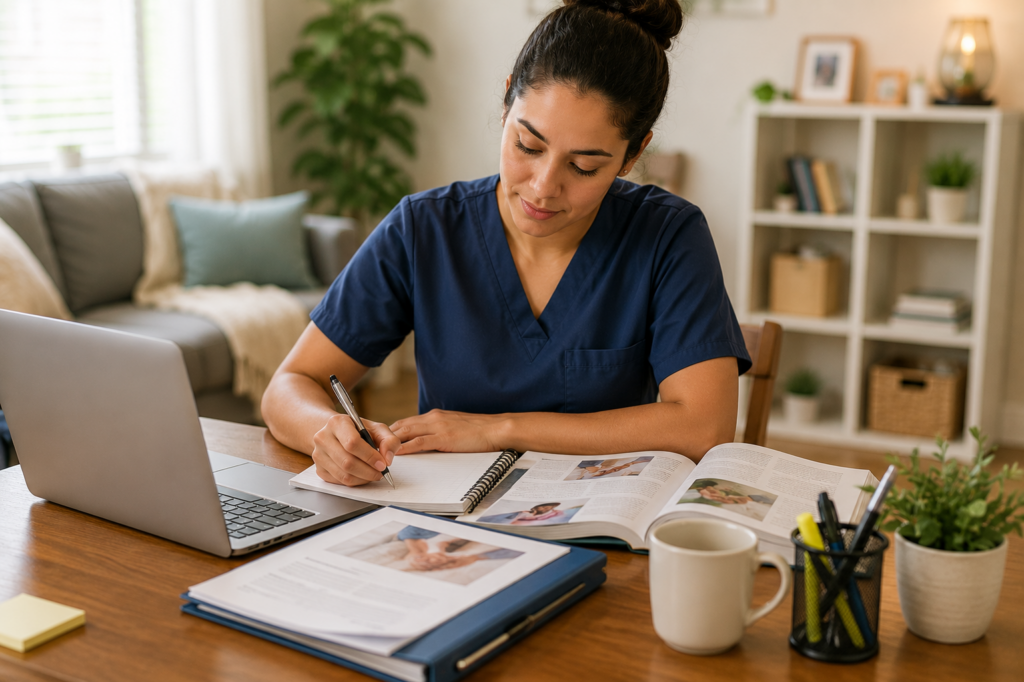
Personal care worker pay varies by state, employer, experience, schedule, and whether the worker is employed by an agency or hired privately.
In general, PCW wages are often similar to personal care aide and home care aide wages. Many roles fall in the lower-to-mid hourly wage range, while experienced private-pay caregivers may charge higher rates depending on the market and services provided.
Factors that can affect PCW pay include:
Self-employed PCWs may earn more per hour than agency employees, but they may also need to manage their own taxes, scheduling, insurance, marketing, and client agreements.
A good PCW needs both practical caregiving skills and strong people skills.
Important PCW skills include:
The strongest PCWs understand that personal care is not just physical help. It is also about making the client feel respected, safe, and in control of their daily routine.
To become a personal care worker, start by understanding your state’s requirements and the type of caregiving work you want to do.
A practical path may look like this:
For people pursuing private caregiving work, training can help build confidence and make it easier to explain skills to families and potential clients.
Online PCW training can be useful for beginners who want a structured foundation before pursuing private care work.
The National Caregiver Organization of America offers an online PCW course with 80 hours of self-paced training. The course covers key caregiving topics such as personal care, safety, infection control, nutrition, documentation, dementia awareness, and related care fundamentals.
According to the draft details, the course includes:
Before enrolling in any course, students should confirm whether the training matches their state, employer, or private care goals.
A PCW is not a nurse. PCWs provide non-medical personal care, while nurses provide clinical care, assessments, treatment, and medication-related support within their licensed scope.
Companionship may be part of the role, but PCWs often provide hands-on care such as bathing, grooming, dressing, transfers, meal preparation, and light housekeeping.
PCWs generally cannot administer medication. They may offer reminders in some settings, but medication administration is usually outside their role.
Even non-medical care requires skill. Bathing, mobility support, infection control, privacy, nutrition, and client communication all require proper training and judgment.
A personal care worker is a non-medical caregiver who helps clients with daily living tasks such as bathing, dressing, grooming, meal preparation, mobility support, light housekeeping, and companionship.
PCW stands for personal care worker.
A PCW is part of the direct care workforce, but the role is usually non-medical. PCWs support daily living needs rather than clinical treatment.
No. A PCW generally cannot administer medication. In some settings, a PCW may provide medication reminders, but medication administration should be handled by qualified healthcare professionals.
PCWs usually work in homes, assisted living settings, community care environments, or private care arrangements. Hospital-based care is more commonly handled by clinical or facility-based healthcare staff.
Requirements vary by state, employer, and work setting. Training may not always be legally required for non-medical private care, but it is strongly recommended for safety, professionalism, and client trust.
A PCW provides non-medical personal care. An HHA, or home health aide, may provide personal care plus basic health-related support under agency or clinical supervision, depending on state rules.
PCW and PCA roles can overlap. Both usually provide non-medical personal care. The difference depends on the state, employer, training model, and terminology used.
A personal care worker helps people live more safely and comfortably by supporting the daily tasks they cannot manage alone. The role is non-medical, but it still requires training, professionalism, patience, and strong caregiving judgment.
For people interested in private caregiving work, PCW training can provide a strong foundation in personal care, safety, communication, infection control, documentation, and client dignity.