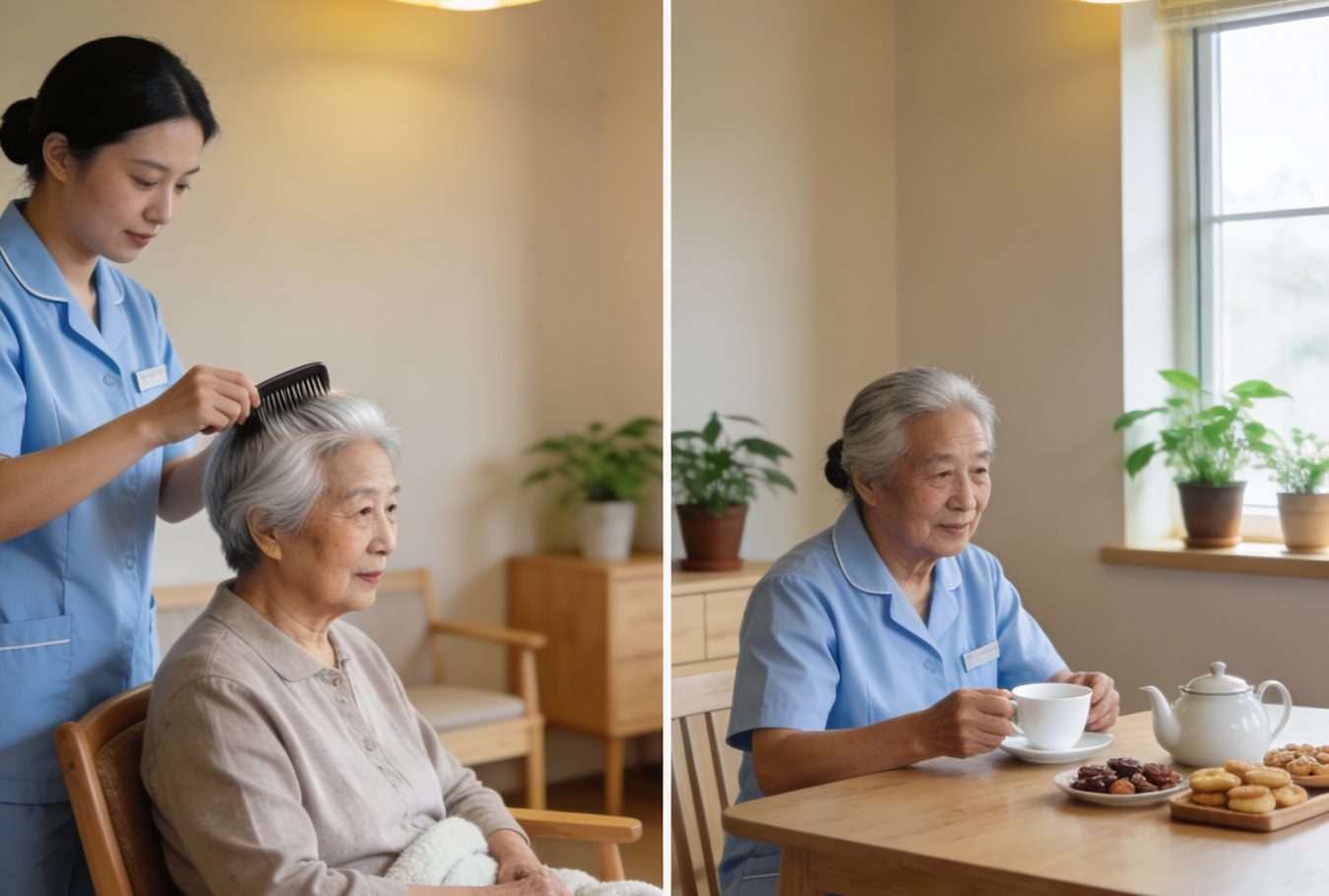
When families are exploring home care options for an elderly or disabled family member, two terms come up frequently: personal care aide and companion aide. They sound similar, and both provide support at home. But they serve different needs and have meaningfully different scopes of work.
Understanding the difference helps families choose the right type of support, and helps people considering a caregiving career understand which role fits their interests and goals.
A personal care aide (PCA) provides hands-on physical assistance with personal hygiene, bathing, dressing, transfers, and other activities of daily living. A companion aide provides social support, companionship, light housekeeping, and help with errands but does not provide hands-on personal care. The key distinction is physical touch: PCAs assist with intimate personal care; companion aides do not.
Companion aides, also called companion caregivers or non-medical home care aides, provide services that support quality of life and daily functioning without involving hands-on personal care. Their work typically includes:
Social and emotional support:
Light household assistance:
Transportation and accompaniment:
Personal care aides perform all of the companion aide’s functions plus the physical assistance tasks that companion aides are not trained or authorized to provide:
| Personal care aide (PCA) | Companion aide | |
| Training hours | 40-120 hours (state-dependent) | Typically 0-16 hours (minimal to none) |
| Formal certification | Required in many states/programs | Generally not required |
| Hands-on skills training | Yes (transfers, personal care) | No |
| Background check | Required in most programs | Required by most reputable agencies |
| Medicaid-funded role | Yes (in qualifying programs) | Not typically covered by Medicaid |
| Avg. hourly pay | $13-$17 | $12-$16 |
Consider a companion aide if:
Consider a personal care aide if:
Yes. Many PCAs provide both personal care assistance and companion-style support such as conversation, activities, and light housekeeping during the same visit. The PCA credential covers the full range of non-clinical home care support, while companion aides are limited to the non-hands-on portion.
Is companion aide work a good entry point into caregiving?
Yes, for people who want to explore caregiving before pursuing formal certification. However, companion aides have a more limited scope of practice and fewer employment options than certified PCAs.
Can a companion aide become a PCA?
Yes. Completing PCA certification expands the scope of what a companion aide can do and typically increases hourly wages. NCOOA’s online PCA program is accessible for anyone with or without prior experience.
Is companion aide work covered by Medicare or Medicaid?
Generally, companion care is not covered by Medicare. Medicaid coverage depends on the state and program. Most Medicaid home care programs cover personal care services rather than companion services.
PCA certification opens more doors, serves more clients, and pays more than companion aide work. NCOOA’s online program is the most accessible way to get there.
A career as a home health aide offers steady employment, genuine purpose, and a clear entry point into the broader healthcare field. With online training through NCOOA, you can earn your certification on your own schedule.